The quick answer
Start with the essentials your pet will use immediately: appropriate food and water supplies, a suitable resting place, safe transport and species-appropriate hygiene supplies. Add extras after you learn their routine.
Prepare the everyday setup
Plan where your pet will eat, rest and spend quiet time. Choose bowls that are easy to wash and a resting space suited to their size. For cats, include suitable litter supplies and a scratching surface. Ask the previous caregiver about the current food and routine.
Plan the trip home
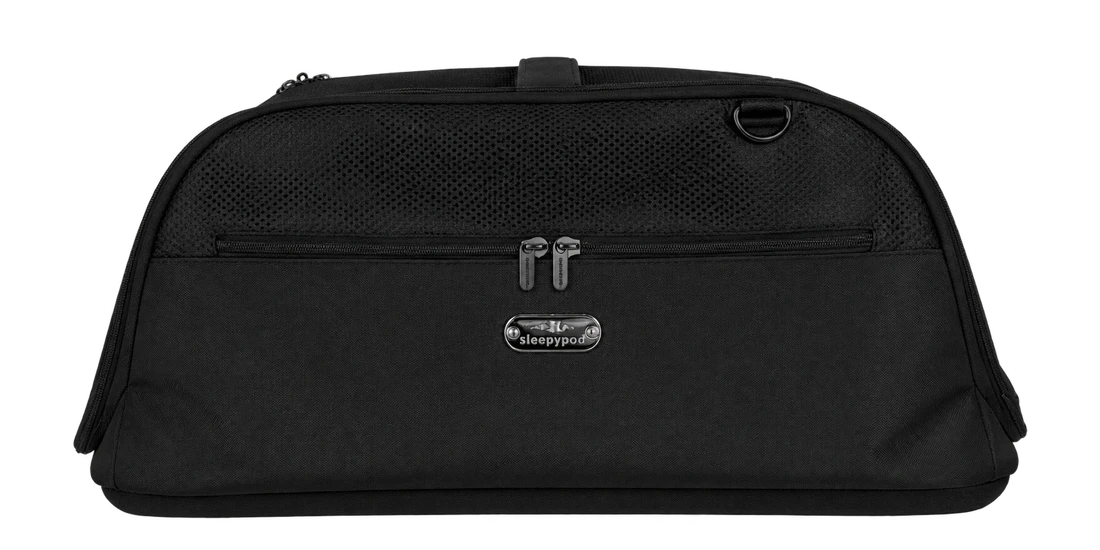
Choose transport that suits the animal and the journey. Check fit, ventilation, access and the manufacturer’s vehicle-use instructions before departure. Keep the first arrival calm rather than introducing every new product at once.
Buy for the first week
For a dog, consider a correctly fitted leash setup and appropriate identification. For a cat, focus on a secure settling-in space, hiding options and accessible resources. Pick a small number of suitable toys rather than shopping for every possible future need.
Let observation guide the upgrades
Watch where your pet rests, how they play and what is awkward to clean. Those details reveal which upgrades could improve daily life. Health, diet and behavioral concerns deserve advice tailored to your pet rather than a product purchased on a broad claim.
Your questions, answered
Should I buy everything before my pet arrives?
Prepare the essentials first. Add nonessential products once you understand your pet’s size, preferences and routine.